
Day of the Dead Gifts
On the first two days of November, Mexico sets a place at the table for its dead. These pieces belong on an ofrenda and stay in the home all year: Tzompantli skulls, the Virgin of Guadalupe and the gods of the Mexica.
Pieces from $3,306 to $616,650 MXN
No piece matches these filters.

Large Centerpiece with Palm Leaf Fruit Bowl in Silver
$21,180.00 MXN
VAT included · Free shipping in Mexico

Large Silver Elephant Ear Leaf Shaped Fruit Bowl
$10,640.00 MXN
VAT included · Free shipping in Mexico

Silver Monstera Deliciosa Leaf Fruit Bowl Centerpiece
$10,640.00 MXN
VAT included · Free shipping in Mexico

Silver shell replica
$49,200.00 MXN
VAT included · Free shipping in Mexico

Masochistic Instrument Sculpture from Salvador Dalí's Paintings
$62,680.00 MXN
VAT included · Free shipping in Mexico
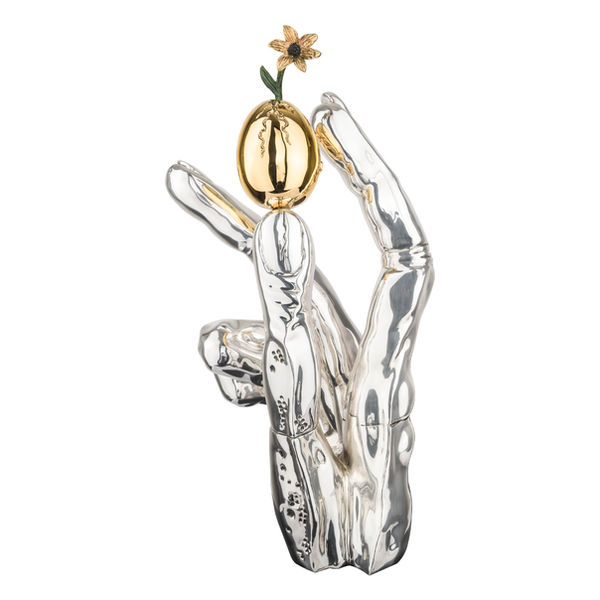
Metamorphosis of Narcissus by Salvador Dalí
$62,680.00 MXN
VAT included · Free shipping in Mexico
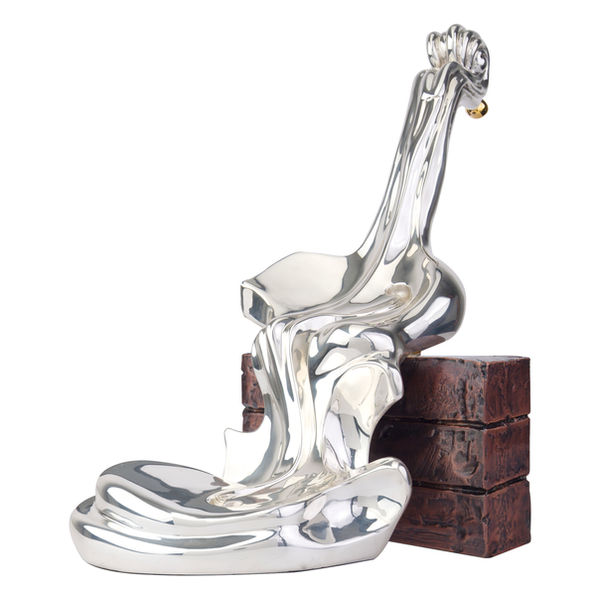
Daddy Longlegs of the Evening – Hope! by Salvador Dalí
$62,680.00 MXN
VAT included · Free shipping in Mexico

The Bleeding Roses by Salvador Dalí in Silver
$62,680.00 MXN
VAT included · Free shipping in Mexico

Sculpture Geopolitical Child by Salvador Dalí
$62,680.00 MXN
VAT included · Free shipping in Mexico

Invisible Person Sofa from a Salvador Dalí Painting
$10,720.00 MXN
VAT included · Free shipping in Mexico

Silver Sculpture in Motion
$21,040.00 MXN
VAT included · Free shipping in Mexico

Copper Penguin Sculpture - Totontli
$23,560.00 MXN
VAT included · Free shipping in Mexico

Silver Horse Head Figurine by Pedro Ramírez Vázquez
$13,100.00 MXN
VAT included · Free shipping in Mexico

Architecture Small Silver Flower Vase
$36,360.00 MXN
VAT included · Free shipping in Mexico

Architecture Silver Vase
$36,360.00 MXN
VAT included · Free shipping in Mexico

Fighting Bull in Black Copper
$32,670.00 MXN
VAT included · Free shipping in Mexico

Large Silver Bear Figurine
$13,100.00 MXN
VAT included · Free shipping in Mexico

Silver Lion Head Sculpture
$9,240.00 MXN
VAT included · Free shipping in Mexico

Golden Leopard Sculpture, Calm on a Branch
$455,100.00 MXN
VAT included · Free shipping in Mexico

Om Sculpture
$63,860.00 MXN
VAT included · Free shipping in Mexico

Silver Prism Mezuzah
$3,306.00 MXN
VAT included · Shipping $400 MXN

Gold Penguin Sculpture - Totontli
$41,580.00 MXN
VAT included · Free shipping in Mexico

Silver Lion Cub Sculpture
$17,960.00 MXN
VAT included · Free shipping in Mexico

Silver Jaguar Sculpture on Branch
$192,360.00 MXN
VAT included · Free shipping in Mexico

Serene Silver Horse Head Sculpture
$167,820.00 MXN
VAT included · Free shipping in Mexico

Integration - Sculpture of a Bride and Groom
$93,840.00 MXN
VAT included · Free shipping in Mexico

Sailboat in the Sea Sculpture
$16,377.00 MXN
VAT included · Free shipping in Mexico

Silver Woman Sculpture, "Full Moon"
$174,500.00 MXN
VAT included · Free shipping in Mexico

Eagle sculpture
$88,700.00 MXN
VAT included · Free shipping in Mexico

Sculpture of Mother and Baby Manta Rays
$192,380.00 MXN
VAT included · Free shipping in Mexico

Silver Harlequin Sculpture Playing Mandolin
$387,940.00 MXN
VAT included · Free shipping in Mexico

Sublimation. Silver Woman Sculpture
$142,520.00 MXN
VAT included · Free shipping in Mexico
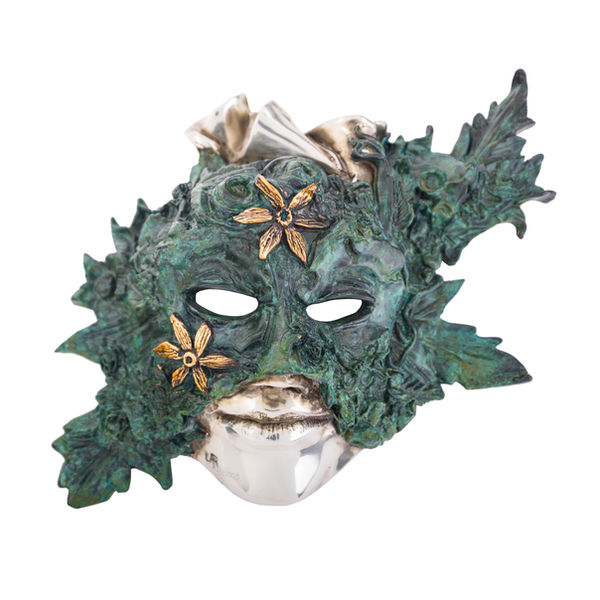
Mask of Nature
$16,300.00 MXN
VAT included · Free shipping in Mexico

Silver Swan Mask
$16,300.00 MXN
VAT included · Free shipping in Mexico

Bald Eagle Sculpture in Silver
$86,320.00 MXN
VAT included · Free shipping in Mexico

Spanish Horse Head Sculpture in Silver
$171,180.00 MXN
VAT included · Free shipping in Mexico

Guardian Lion Sculpture in Silver
$411,100.00 MXN
VAT included · Free shipping in Mexico

Sculpture of a Woman in a Silver Whirlwind
$232,680.00 MXN
VAT included · Free shipping in Mexico

Couple Sculpture - Wedding Rings
$125,140.00 MXN
VAT included · Free shipping in Mexico

Gold Sun Mask
$18,240.00 MXN
VAT included · Free shipping in Mexico

Harlequin mask
$16,640.00 MXN
VAT included · Free shipping in Mexico

Gold Tzompantli Skull by Pedro Ramírez Vázquez
$20,490.00 MXN
VAT included · Free shipping in Mexico

Open Architecture Silver Flower Vase
$46,480.00 MXN
VAT included · Free shipping in Mexico

Open Architecture Copper Vase
$39,510.00 MXN
VAT included · Free shipping in Mexico

Guardian Lion Sculpture in Gold
$616,650.00 MXN
VAT included · Free shipping in Mexico

Gold Monstera Deliciosa Leaf Fruit Bowl Centerpiece
$15,960.00 MXN
VAT included · Free shipping in Mexico

24K Gold Horse Head
$251,730.00 MXN
VAT included · Free shipping in Mexico

Leaf Fruit Bowl in Gold
$31,770.00 MXN
VAT included · Free shipping in Mexico

Gold Lion Cub Sculpture
$26,940.00 MXN
VAT included · Free shipping in Mexico
An altar for those who return
Día de Muertos is celebrated on 1 and 2 November, when families build ofrendas to welcome the souls of those they have lost. The altar is filled with orange cempasúchil marigolds, candles, photographs, pan de muerto and sugar skulls. In 2008 UNESCO inscribed the indigenous festivity dedicated to the dead on its list of the Intangible Cultural Heritage of Humanity.
The dates coincide with the Catholic feasts of All Saints and All Souls, which is why pre-Hispanic images and Christian ones sit side by side on so many altars. A piece placed on the ofrenda can stay long after the candles are out.
The skull, from stone to Posada
The tzompantli, a Nahuatl word, was the Mexica rack of skulls that stood beside the temples, and the skull has remained a central image of Mexican art ever since, from pre-Hispanic stone to the calaveras of José Guadalupe Posada. The Gold Skull Figure Tzompantli by Pedro Ramírez Vázquez reduces it to clean, faceted planes rather than bones: deep round eye sockets, a triangular nose, the whole head polished to a mirror in brilliant 24-karat gold.
The Copper Skull Figure Tzompantli by Pedro Ramírez Vázquez repeats the form in rosy copper, softer and warmer. Both were created with the architect of the National Museum of Anthropology in his lifetime, and both read as modern sculpture as much as ofrenda decor. More of his work appears on our Pedro Ramírez Vázquez page.
Faith and the Mexica world
The Silver Virgin of Guadalupe Gold Solar Rays stands in prayer, a green mantle over a silver robe, framed by a full oval of 24-karat gold rays with an angel at her feet. It is the most natural virgin of guadalupe statue for an altar. Our Christian and Catholic art page continues in the same spirit.
The Silver Coyolxauhqui Relief recalls the Mexica moon goddess whose great carved disc was found in 1978 at the Templo Mayor, its dense carving reproduced in a round relief. The Silver Chac Mool Statue reclines on a dark base, knees drawn up and head turned, and the Offering Aztec Statue is a dancer with copper-toned skin, silver costume and green plumes. Our Pre-Hispanic art page continues the story.
Frequently asked questions
Is Día de Muertos the same as Halloween?
No. Día de Muertos honours the dead and welcomes their souls home; its mood is remembrance and family, not fear. UNESCO recognises the indigenous festivity as Intangible Cultural Heritage of Humanity.
Can a piece stay out after the ofrenda is taken down?
Yes. A Tzompantli skull, a Virgin of Guadalupe or a pre-Hispanic relief reads as sculpture in any season, so day of the dead gifts become part of the home all year.
How are these pieces cared for?
A resistant lacquer protects the silver, gold and copper finishes, so a soft, dry cloth is all they need; metal polish and cleaning agents are best avoided. Every piece is finished by hand in Mexico City, carries our lifetime guarantee covering manufacturing defects and ships throughout Mexico; an art advisor can show any of them on a video call.