

Pre-Hispanic Art
Statues of the Aztec Empire
From the Olmec heads of the Gulf Coast to the Maya of Palenque and the Mexica of Tenochtitlan: prehispanic art reinterpreted in sculpture and relief, finished by hand in silver, with some pieces in 24-karat gold or copper.
Pieces from $3,220 to $505,800 MXN
No piece matches these filters.

Olmec Head Silver Sculpture
$7,640.00 MXN
VAT included · Free shipping in Mexico

Replica of the Head Sculpture of K'inich Janaab Pakal
$21,540.00 MXN
VAT included · Free shipping in Mexico

Replica of the Kʼinich Janaab Pakal Head Figure
$7,740.00 MXN
VAT included · Free shipping in Mexico

Small Silver Sculpture of Chac Mool
$6,520.00 MXN
VAT included · Free shipping in Mexico

Mayan Silver Head Figure
$7,740.00 MXN
VAT included · Free shipping in Mexico

Toltec Vase Silver Woman Aztec Art
$7,460.00 MXN
VAT included · Free shipping in Mexico

Chess Aztecs vs Spaniards
$505,800.00 MXN
VAT included · Free shipping in Mexico

Sun relief
$12,060.00 MXN
VAT included · Free shipping in Mexico

Mayan Ball Game Relief
$52,960.00 MXN
VAT included · Free shipping in Mexico

Sarcophagus of King Pakal falling on Xibalba
$17,020.00 MXN
VAT included · Free shipping in Mexico

Yum Caax, Mayan God of corn.
$14,040.00 MXN
VAT included · Free shipping in Mexico

Mayan Stele Day and Night
$63,920.00 MXN
VAT included · Free shipping in Mexico

New Fire Ritual Sculpture
$95,140.00 MXN
VAT included · Free shipping in Mexico

Sculpture of the Eagle Knight
$90,700.00 MXN
VAT included · Free shipping in Mexico

Female Dance Sculpture
$78,420.00 MXN
VAT included · Free shipping in Mexico

Deer Dance Sculpture
$44,040.00 MXN
VAT included · Free shipping in Mexico

The Deer Dance in Sculpture
$65,380.00 MXN
VAT included · Free shipping in Mexico

Offering - Aztec Sculpture
$61,360.00 MXN
VAT included · Free shipping in Mexico

Jaguar Warrior Sculpture
$68,960.00 MXN
VAT included · Free shipping in Mexico

Aztec Ball Player Sculpture
$65,700.00 MXN
VAT included · Free shipping in Mexico

Quetzal Dance Sculpture
$76,640.00 MXN
VAT included · Free shipping in Mexico

Jania sculpture in silver
$7,520.00 MXN
VAT included · Free shipping in Mexico

Figurine of a Priest with a Silver Headdress
$7,520.00 MXN
VAT included · Free shipping in Mexico

Silver Mayan Hieroglyphics Relief
$3,220.00 MXN
VAT included · Shipping $400 MXN

Circular Stone Silver Relief of Mayan Glyphs
$10,800.00 MXN
VAT included · Free shipping in Mexico

Pre-Hispanic Ceremonial Palm in Silver
$27,800.00 MXN
VAT included · Free shipping in Mexico

Tlaloc Pot in Silver
$13,560.00 MXN
VAT included · Free shipping in Mexico

Toltec Silver Vessel - Aztec Art
$7,460.00 MXN
VAT included · Free shipping in Mexico

Toltec Silver Man Vessel - Aztec Art
$7,460.00 MXN
VAT included · Free shipping in Mexico

Dhipak Tamuín Teenager Silver Sculpture
$23,600.00 MXN
VAT included · Free shipping in Mexico

Silver Atlantean of Tula - Toltec
$7,880.00 MXN
VAT included · Free shipping in Mexico

Silver Sculpture of Man - Zapotecan
$7,520.00 MXN
VAT included · Free shipping in Mexico

Mayan King Crown with Silver Face
$7,520.00 MXN
VAT included · Free shipping in Mexico

Aztec figure
$7,520.00 MXN
VAT included · Free shipping in Mexico

Silver relief of the Mayan calendar
$3,220.00 MXN
VAT included · Shipping $400 MXN

Chac Zutz from the Tablet of the Slaves
$3,220.00 MXN
VAT included · Shipping $400 MXN

Relief of the Fisherman's Axe
$3,220.00 MXN
VAT included · Shipping $400 MXN

Griffin from the Tablet of the Slaves
$3,220.00 MXN
VAT included · Shipping $400 MXN

Seated Mayan King Relief Figurine
$3,220.00 MXN
VAT included · Shipping $400 MXN

Slave of Time - Mayan Relief
$3,220.00 MXN
VAT included · Shipping $400 MXN

Ceremonial Axe
$8,980.00 MXN
VAT included · Free shipping in Mexico

Mayan Birdman Relief
$3,220.00 MXN
VAT included · Shipping $400 MXN

Silver Bird Jaguar Relief
$3,220.00 MXN
VAT included · Shipping $400 MXN

Palenque Silver Relief
$3,220.00 MXN
VAT included · Shipping $400 MXN

Path of the King of Death
$9,760.00 MXN
VAT included · Free shipping in Mexico

Pacal the Great
$4,800.00 MXN
VAT included · Shipping $400 MXN

Silver Relief Offerings
$4,800.00 MXN
VAT included · Shipping $400 MXN

Ixchel, Relief of the Goddess of the Moon
$3,220.00 MXN
VAT included · Shipping $400 MXN

Mayan Silver King Relief
$4,800.00 MXN
VAT included · Shipping $400 MXN

Silver relief of the Mayan King
$4,800.00 MXN
VAT included · Shipping $400 MXN

Silver Relief of the Mayan King Accepting the Offering
$3,220.00 MXN
VAT included · Shipping $400 MXN

Kukulkan, Silver Feathered Serpent Relief
$3,220.00 MXN
VAT included · Shipping $400 MXN

Mayan Conqueror King Under the Stars - Silver Relief
$9,760.00 MXN
VAT included · Free shipping in Mexico

Relief of the head of the Mayan priest Quetzalcoatl
$3,220.00 MXN
VAT included · Shipping $400 MXN

Silver Relief of the Hieroglyphics of the Mayan King
$3,220.00 MXN
VAT included · Shipping $400 MXN
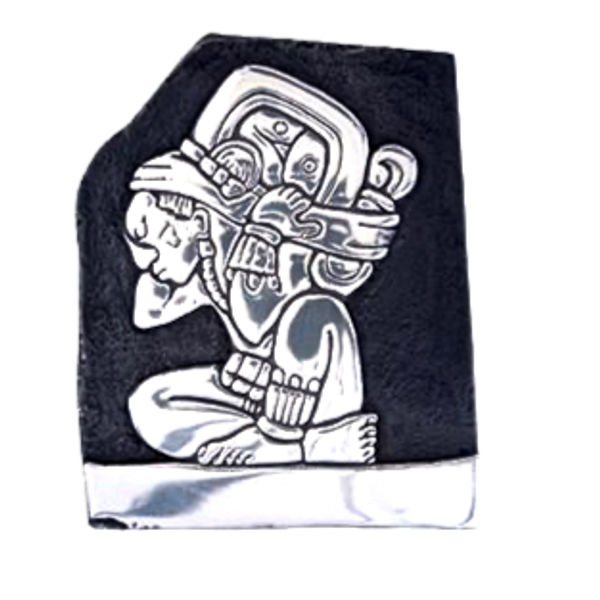
Mayan Commoner Working Silver Relief
$3,220.00 MXN
VAT included · Shipping $400 MXN
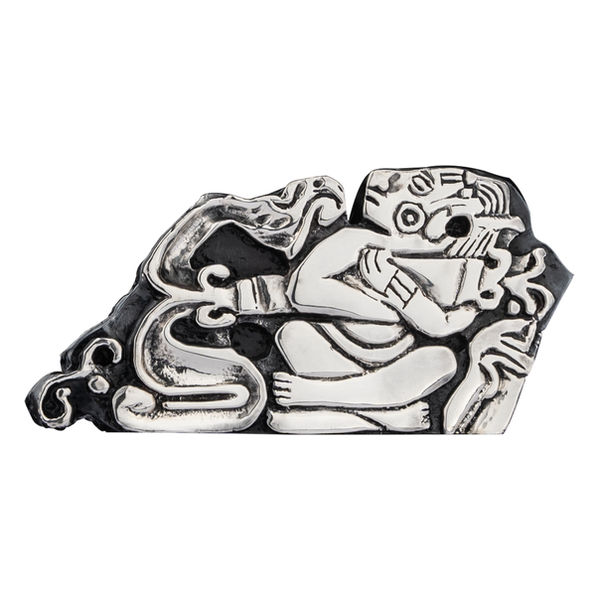
Mayan Silver Relief
$3,220.00 MXN
VAT included · Shipping $400 MXN

Aztec Candle Triptych
$22,440.00 MXN
VAT included · Free shipping in Mexico

Coyolxauhqui Silver Relief
$9,760.00 MXN
VAT included · Free shipping in Mexico

Silver Relief of the Hieroglyphics of the Mayan King
$3,220.00 MXN
VAT included · Shipping $400 MXN

Figure from Palenque
$3,220.00 MXN
VAT included · Shipping $400 MXN

Replica Relief of the Aztec Calendar in Silver
$16,020.00 MXN
VAT included · Free shipping in Mexico

Representation of the Aztec Calendar
$14,040.00 MXN
VAT included · Free shipping in Mexico

Chinkultic Maya Ballgame Marker
$9,760.00 MXN
VAT included · Free shipping in Mexico

Smiley Face Relief
$9,760.00 MXN
VAT included · Free shipping in Mexico

Face of Veracruz
$4,380.00 MXN
VAT included · Shipping $400 MXN

Teotihuacan Kings' Face Figurine
$3,220.00 MXN
VAT included · Shipping $400 MXN

Figure of the King of Teotihuacan with a Bird Crown
$3,220.00 MXN
VAT included · Shipping $400 MXN

Figure of the King of Teotihuacan with a Crown of Waves
$3,220.00 MXN
VAT included · Shipping $400 MXN

Mayan Silver Head Sculpture
$23,800.00 MXN
VAT included · Free shipping in Mexico

Cuauhtémoc Gold Sculpture
$289,960.00 MXN
VAT included · Free shipping in Mexico

Silver sculpture of Cuauhtémoc
$205,540.00 MXN
VAT included · Free shipping in Mexico

Copper Sculpture of Cuauhtémoc
$176,180.00 MXN
VAT included · Free shipping in Mexico

Toltec Woman Silver Vessel
$7,460.00 MXN
VAT included · Free shipping in Mexico

Chac Mool Silver Sculpture
$16,640.00 MXN
VAT included · Free shipping in Mexico
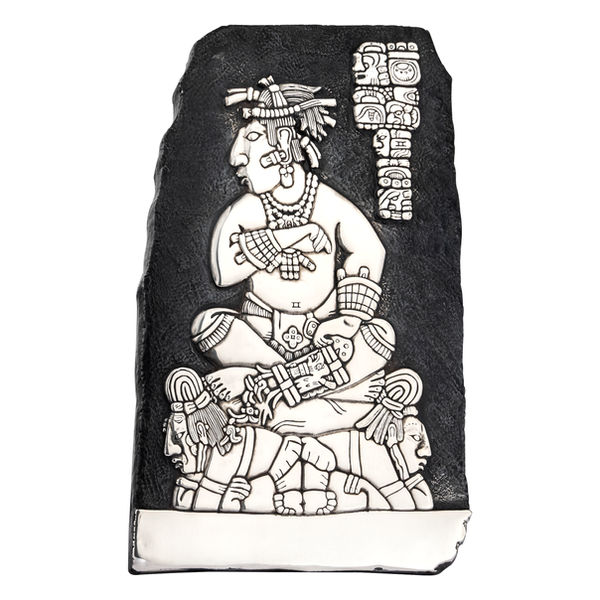
Silver Relief of Subordination to the Mayan King
$7,520.00 MXN
VAT included · Free shipping in Mexico

Silver sculpture of Tlaloc
$8,980.00 MXN
VAT included · Free shipping in Mexico

Atlantean of Tula - Toltec
$5,360.00 MXN
VAT included · Free shipping in Mexico

Silver sculpture of a seated Mayan man
$4,800.00 MXN
VAT included · Shipping $400 MXN

Pre-Hispanic Mayan man
$8,980.00 MXN
VAT included · Free shipping in Mexico
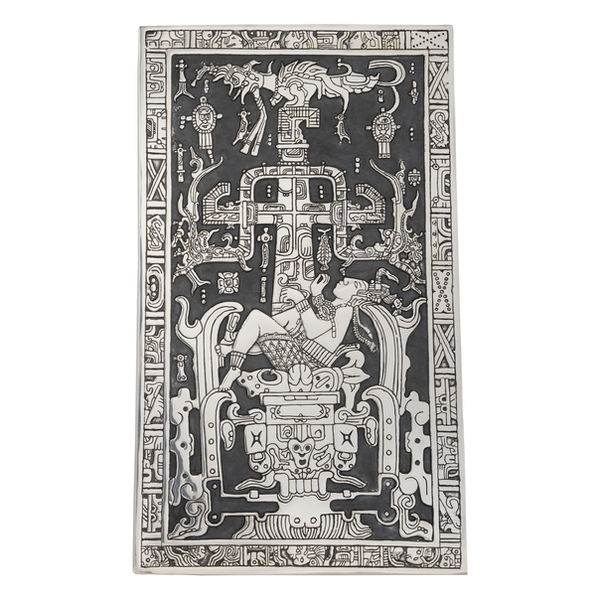
Small Sarcophagus of King Pakal Falling into Xibalba
$4,640.00 MXN
VAT included · Shipping $400 MXN

Representation of the Aztec Calendar in Gold
$14,640.00 MXN
VAT included · Free shipping in Mexico

Representation of the Aztec Calendar in Silver
$9,760.00 MXN
VAT included · Free shipping in Mexico

Olmec Head
$11,460.00 MXN
VAT included · Free shipping in Mexico

24K Gold Aztec Figure
$11,280.00 MXN
VAT included · Free shipping in Mexico

K'inich Janaab' Pakal - Silver Mayan Head
$10,320.00 MXN
VAT included · Free shipping in Mexico

K'inich Janaab' Pakal Head Replica
$10,320.00 MXN
VAT included · Free shipping in Mexico
The oldest faces: Olmec and Maya
The Olmecs of the Gulf Coast were among the earliest of Mesoamerica's great civilisations, and their colossal stone heads still set the image of pre-hispanic sculpture. The Silver Olmeca Head Statue keeps the close, helmet-like headdress, the heavy brows and the full lips in mirror silver, and the same head is also finished in 24-karat gold.
K'inich Janaab' Pakal ruled the Maya city of Palenque in the 7th century, and his carved sarcophagus lid, still in the Temple of the Inscriptions, is one of the great works of Mayan sculpture. King Pakal the Great Sarcophagus falling to Xibalba renders it as a tall panel crowded with glyphs around the reclining ruler, the silver raised against dark recesses.
Relief, palms and urns
Much of this collection is relief: polished raised figures against darker grounds, so that the carving reads like stone when light crosses it. The Silver Coyolxauhqui Relief is a round disc filled with the dismembered goddess. The original stone was found in 1978 in the centre of Mexico City, and its discovery led to the excavation of the Templo Mayor.
On the Gulf Coast, Classic Veracruz linked carved stone palms and axes to the ballgame. The Silver Ceremonial Palm is tall, narrow and densely carved, and a ceremonial axe turns a thin profile head into openwork on a black base. From the Huastec world of San Luis Potosí comes the Silver Dhipak Statue Tamuín Adolescent, slender and upright on a black base; from Oaxaca, the Zapotecan Urn, a seated figure under a towering headdress.
Living with ancient forms
The Silver Chac Mool Statue reclines on a dark stone base with his head turned toward the viewer, in the pose of the Chac Mool figures of Chichén Itzá and Tula, which hold a dish on the stomach. It is a low, horizontal piece for a coffee table or a long shelf, while the heads, raised on their bases, belong at eye level.
The Haab Mayan Calendar Sculpture in Silver frames a central figure with a ring of glyphs; the Haab was the Maya 365-day calendar of 18 months of 20 days, plus 5. These are contemporary interpretations and replicas, designed and finished by hand in our Mexico City workshop. Our Aztec art, Mayan art and Aztec calendar décor pages take each thread further, and our copper sculptures bring a warmer palette.
Frequently asked questions
What is the difference between prehispanic art and pre-Columbian art?
Pre-Columbian refers to the Americas before Columbus arrived in 1492; prehispanic, the term used in Mexico, refers to the cultures that flourished before the Spanish arrival in the 16th century. Mesoamerican art names the region and its peoples: Olmec, Maya, Zapotec, Toltec and Mexica among them.
Which piece is a good first step into the collection?
The Olmec head and the Chac Mool are the most recognisable forms of ancient Mexico and hold a room on their own. For a bookshelf or a niche, a round relief such as Coyolxauhqui or the Haab calendar reads like a carved stone medallion. An art advisor can show you any piece on a video call.
How are the reliefs looked after?
Every piece is protected by a resistant lacquer, so a soft, dry cloth passed over the raised surfaces is enough; metal polish and cleaning agents are best avoided. Each one carries our lifetime guarantee covering manufacturing defects, and we ship throughout Mexico from Mexico City.